


Choosing reliable outdoor road lighting is far more complicated than most property managers and municipal engineers realize. Many people only focus on upfront purchase prices, ignoring hidden energy waste, short service life, frequent maintenance failures, and poor nighttime visibility that directly affect traffic safety. Ordinary street lamps often cause uneven light distribution, excessive power consumption, and frequent bulb replacements, creating continuous extra costs that accumulate year after year. Investing in a professional high-power LED street light effectively solves these long-overlooked pain points and builds stable, low-cost lighting systems for highways, residential roads, industrial parks, and municipal avenues.
Most traditional sodium street lamps suffer from severe light attenuation after half a year of operation. The yellow dim light cannot clearly illuminate road edges, pedestrian crossings, and road markings, greatly increasing nighttime traffic accident risks. They also generate massive heat during operation, raise ambient temperature, and waste huge amounts of electric energy every single day. Mature LED lighting technology eliminates these inherent defects, delivering pure white high-brightness light with uniform irradiation, accurate color rendering, and zero glare interference. Professional manufacturers optimize chip configuration and heat dissipation structures to ensure stable brightness output throughout the entire service cycle.
Litian LED Lighting specializes in customized high-power outdoor lighting fixtures built to withstand harsh outdoor environments. Unlike generic low-quality street lights on the market, their products adopt integrated die-cast aluminum housings, fully sealed waterproof structures, and anti-corrosion surface treatment. These designs resist heavy rain, thunderstorms, strong winds, dust storms, extreme high temperatures and severe cold, maintaining normal operation without damage in complex weather all year round. Municipal construction projects, highway reconstruction projects and park lighting upgrades all prioritize this stable and durable fixture series.
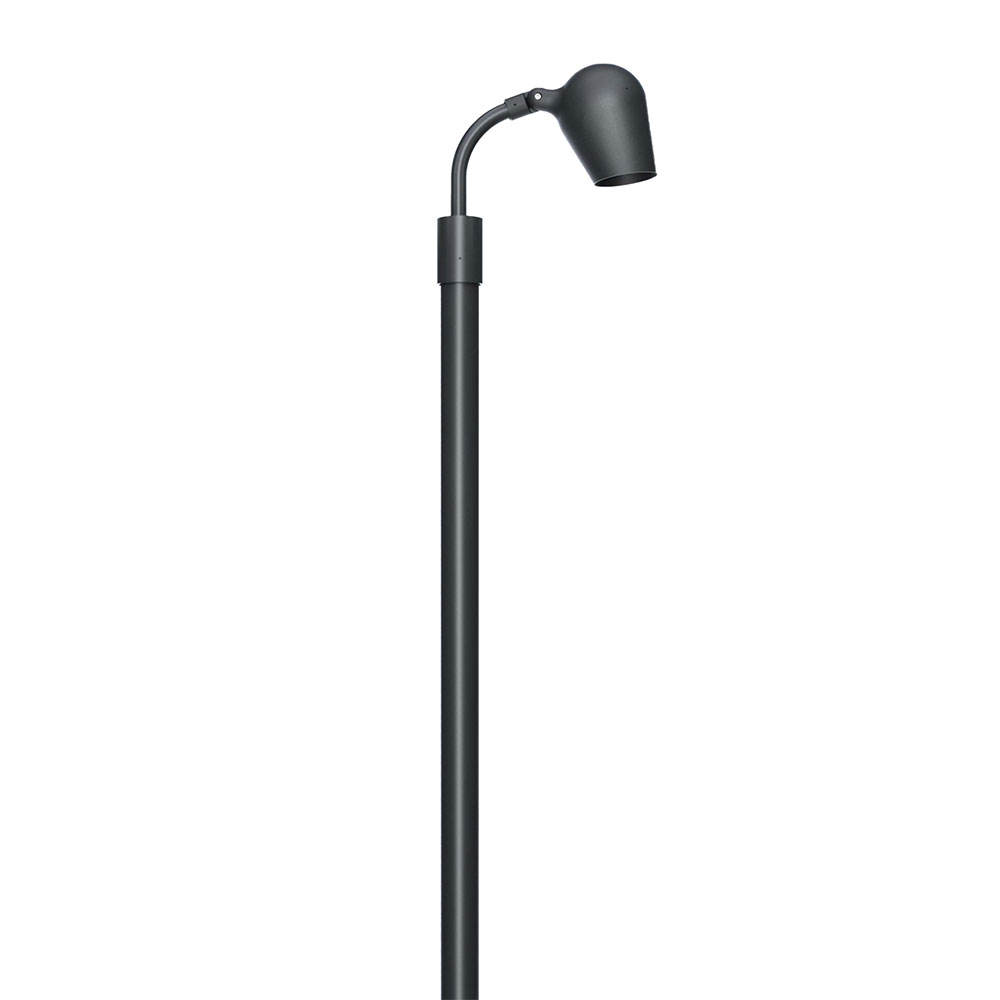
A common misunderstanding among buyers is that all high-wattage street lights perform identically. In reality, chip quality, driving power supply stability, heat dissipation efficiency and light distribution angle determine actual usage effects. Inferior LED street lights boast high parameter numbers on paper but experience rapid brightness decline, frequent driver burnout and easy water ingress damage. Owners end up paying multiple maintenance fees, climbing ladders for repairs, and interrupting road lighting repeatedly, which seriously affects public travel safety and urban operation order.
Energy saving and environmental protection are core demands of modern urban infrastructure construction. Old-style street lamps consume 3–5 times more electricity than LED alternatives. Over a 5-year usage cycle, the saved electricity bills alone far exceed the initial equipment investment. LED street lights contain no harmful mercury substances, produce no ultraviolet radiation pollution, and do not cause light pollution to surrounding residents. They perfectly match national green low-carbon construction standards, helping cities reduce overall energy consumption and achieve sustainable public lighting development.
Core Performance Comparison Of Different Road Street Light Types
| Light Type | Power Consumption Per Unit | Average Service Life | Waterproof Grade | Weather Resistance | Annual Maintenance Cost | Light Uniformity |
|---|---|---|---|---|---|---|
| Traditional High Pressure Sodium Lamp | Extremely High | 2000–3000 Hours | Poor | Weak against rain & cold | Very High | Uneven & Blurry |
| Low-Cost Generic LED Street Light | Medium | 15000–20000 Hours | Ordinary | Easy Aging In Bad Weather | High | Fluctuating Brightness |
| Professional High-Power LED Street Light | Ultra Low | 50000+ Hours | IP67 | All Harsh Outdoor Weather | Almost Zero | Highly Uniform & Soft |
Deep hidden problems ignored by most users include aging line loads caused by unstable lamp power supply, safety hazards such as short circuits and leakage, and inconsistent light angles that cause blind areas at road corners. Unreasonable light distribution will make drivers experience visual fatigue easily at night, raising collision and scratch accident probabilities. Standard high-power LED street lights use scientific optical lens design, covering wide road surfaces without dead lighting zones, protecting driving vision and pedestrian safety comprehensively.
Long-term outdoor operation puts extremely strict requirements on lamp sealing and aging resistance. Dust entering the lamp body will attach to the chip surface, blocking light emission and accelerating brightness attenuation. Poor heat dissipation will burn the LED chip in advance and shorten the whole service life drastically. Reliable products adopt integral sealed cavity design, multi-layer heat dissipation fins, and high-isolation constant current drivers, greatly reducing failure rates and ensuring uninterrupted 24-hour continuous lighting operation.
For engineering bidding, community renovation, rural road lighting and large-area outdoor lighting projects, overall cost performance matters more than single unit price. Cheap lamps save money temporarily but bring continuous repair, replacement and electricity expenses. Qualified high-power LED street lights achieve zero frequent maintenance, ultra-long stable operation, and obvious energy-saving benefits, becoming the most cost-effective long-term lighting solution for all outdoor public road scenarios.
All parameters of qualified high-power LED street lights undergo strict factory testing before delivery, including brightness testing, waterproof testing, high and low temperature resistance testing, and vibration resistance testing. Every finished product meets national outdoor lighting safety standards, supports flexible wattage customization, installation height adjustment and light angle matching, adapting to various road widths and complex geographical environments. Choosing professional matching fixtures directly avoids post-construction reconstruction losses and unnecessary project delays.